
The short version
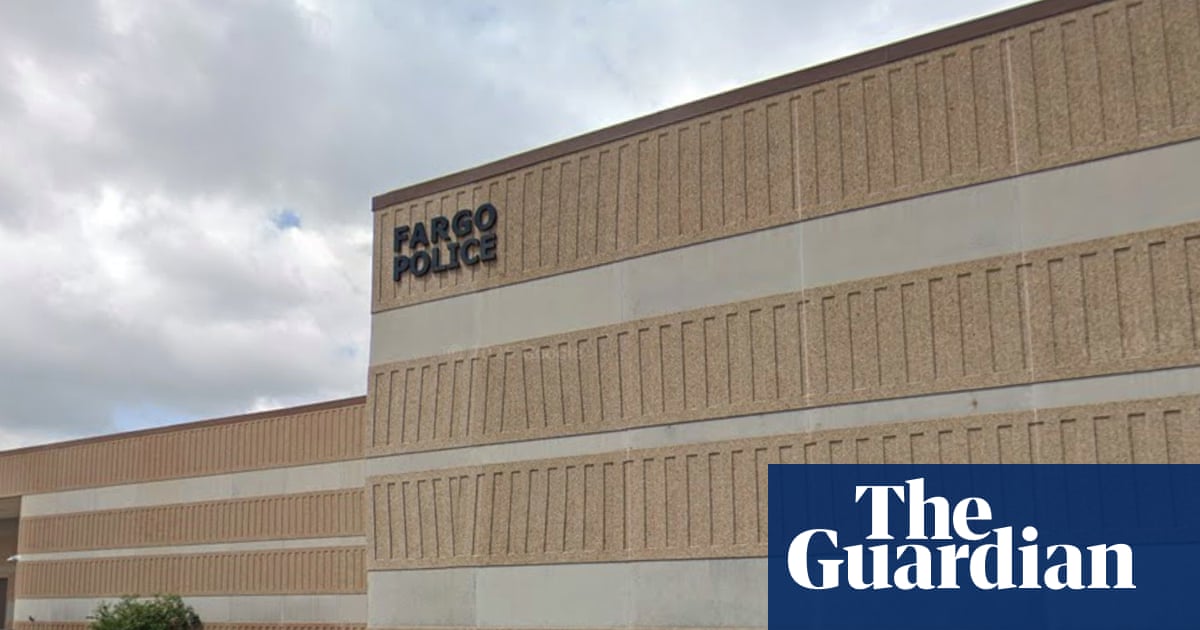
A Tennessee grandmother named Angela Lipps spent nearly six months in jail after police in Fargo, North Dakota, wrongly identified her as a bank fraud suspect using AI facial recognition software. She had never been to North Dakota, and simple bank records later proved she was 1,200 miles away in Tennessee at the time of the crimes—yet she lost her home, car, and dog because of the mistake. This real-life error shows how AI tools meant to catch criminals can ruin innocent people's lives, raising big questions about trusting machines over human checks in policing.
What happened
Imagine you're at home babysitting your grandkids when armed U.S. marshals burst in, guns drawn, and haul you away in handcuffs. That's exactly what happened to Angela Lipps, a 50-year-old mother of three and grandmother of five from north-central Tennessee, back in July. She'd never even flown on a plane before, let alone visited North Dakota. But Fargo police, investigating a sneaky bank fraud ring, watched surveillance videos from April and May 2025 showing a woman using a fake U.S. Army ID to pull out tens of thousands of dollars from banks.
Instead of just eyeballing the blurry footage themselves, detectives turned to AI facial recognition software—a computer program that scans photos and videos to match faces, like a super-smart photo album that picks out lookalikes. The AI pointed to Lipps as the prime suspect, noting similarities in facial features, body type, and even hairstyle. A detective wrote in court papers that it was a match. No one from Fargo police called Lipps first to ask questions or double-check. Boom—arrest warrant issued.
Lipps sat in a Tennessee county jail for nearly four months (108 days) without bail, labeled a fugitive. Finally, at the end of October, they flew her to North Dakota. Her lawyer, Jay Greenwood, immediately smelled something fishy: "If the only thing you have is facial recognition, I might want to dig a little deeper." He pulled her bank records, which showed she'd been shopping and living her normal life in Tennessee during the frauds—over 1,200 miles away. On Christmas Eve, after five-and-a-half months total behind bars, they released her. But police didn't pay for her way home; local lawyers and a nonprofit called the F5 Project chipped in for a hotel, food, and her bus ticket back.
This isn't a one-off glitch. Just last October, AI mistook a Baltimore teen's bag of Doritos chips for a gun, triggering a full SWAT-style takedown at his high school—cops drew guns, put him on his knees, handcuffed him, and searched him, only to find snacks. And earlier this year in the UK, face-scanning software fingered a man for a burglary 100 miles away in a city he'd never visited, simply because he shared South Asian heritage with the real crook. These stories pile up, showing AI face tech isn't foolproof—it's like a eager beaver security guard who cries wolf at every shadow.
Why should you care?
AI facial recognition is popping up everywhere in policing, from scanning crowds at protests to checking IDs at airports. It's sold as a crime-fighting superhero that spots bad guys in seconds, but cases like Lipps' prove it can frame the innocent. For you, the everyday person, this means your face—snapped from social media, security cams, or driver's licenses—could land you in hot water without warning. No apology from Fargo police, no help getting home, and Lipps lost everything: her house (foreclosed while jailed), her car, even her dog. She's still rebuilding, with no one saying sorry.
Think about it personally: What if this happened while you were grocery shopping with kids? Or during a family vacation? These errors hit harder for regular folks without fancy lawyers—grandmas, students, immigrants. And it's not rare; the source notes "this is far from the first case." As police lean more on AI to save time and money, mistakes multiply, eroding trust in the system. Your tax dollars fund this tech, yet it can turn your life upside down on a bad match.
What changes for you
Right now, nothing's "changing" overnight—no new laws from this story alone. But it spotlights risks you face daily:
- Your photos are already in the system: Police pull from public databases, DMV pics, or social media. Lipps' face got flagged without her knowing why.
- No human backup required: Fargo detectives trusted the AI match on looks alone, without verifying travel or alibis first. You could be next if you vaguely resemble someone.
- Real-world fallout: Lipps was arrested at gunpoint in front of grandkids, jailed 6 months, and left broke/stranded. No compensation mentioned—police didn't cover her return trip.
- Broader trends: Similar errors in Baltimore (Doritos = gun) and UK (heritage mix-up) mean AI struggles with blurry video, lighting, hairstyles, or ethnic similarities. If you're not white, risks may rise, per the UK case.
- Daily life tweaks: Be cautious sharing face pics online; check if your state uses this tech (many do). If arrested on flimsy evidence, demand proof beyond AI—like bank records or witnesses.
For most, it's a wake-up call: AI isn't magic; it's a tool that needs humans watching closely. Push for rules requiring double-checks before arrests.
Frequently Asked Questions
### What exactly is AI facial recognition, and how does it make mistakes?
AI facial recognition is software that compares your photo to others in a database by measuring things like eye distance or jaw shape, like matching puzzle pieces. It goofed on Lipps by linking her to blurry bank video based on basic looks—face, body, hair—without checking her location. Errors happen from poor video quality, angles, lighting, or similar features, turning innocent lookalikes into suspects.
### Could this happen to me or someone I know?
Yes, if police scan surveillance or public photos and the AI flags a partial match. Lipps had zero North Dakota ties, yet spent 6 months jailed. Risks are higher for women with common hairstyles, ethnic minorities (like the UK case), or anyone whose photo is online—over 1,200 miles didn't save her.
### Did Fargo police do anything wrong, and will they face consequences?
They relied solely on AI without contacting Lipps first or verifying basics like travel history, per court docs and her lawyer. No apology or compensation reported; they didn't even pay her way home post-release. No firings or discipline mentioned yet—local defense attorneys and nonprofits stepped in instead.
### Are there laws protecting against AI arrest mistakes?
Not specifically nationwide—states vary, but this highlights gaps. Lipps' lawyer used simple bank records to free her, showing basic checks work. Push for rules mandating human review before arrests; similar cases have sparked lawsuits.
### How common are these AI policing errors?
Far from rare: Baltimore teen gun-hoaxed over Doritos, UK man jailed for distant burglary via heritage mix-up, and now Lipps' 6-month ordeal. As AI use grows in U.S. policing, expect more unless safeguards improve.
The bottom line
Angela Lipps' nightmare—6 months jailed, life upended by an AI face-match across 1,200 miles— isn't sci-fi; it's a warning for all of us. Police in Fargo trusted the tech over common sense, arresting a grandma babysitting her grandkids at gunpoint, only releasing her on Christmas Eve after bank records proved innocence. You should care because your face could be next in the database, leading to terror without trial. Demand better: human oversight, verification before cuffs, and accountability. Until then, this viral story (shared widely on Reddit and news sites) reminds us AI helps fight crime but wrecks lives when wrong—treat it like a sharp tool, not a crystal ball. Stay vigilant, know your rights, and support fixes so innocents like Lipps don't pay the price.
(Word count: 1,248)