
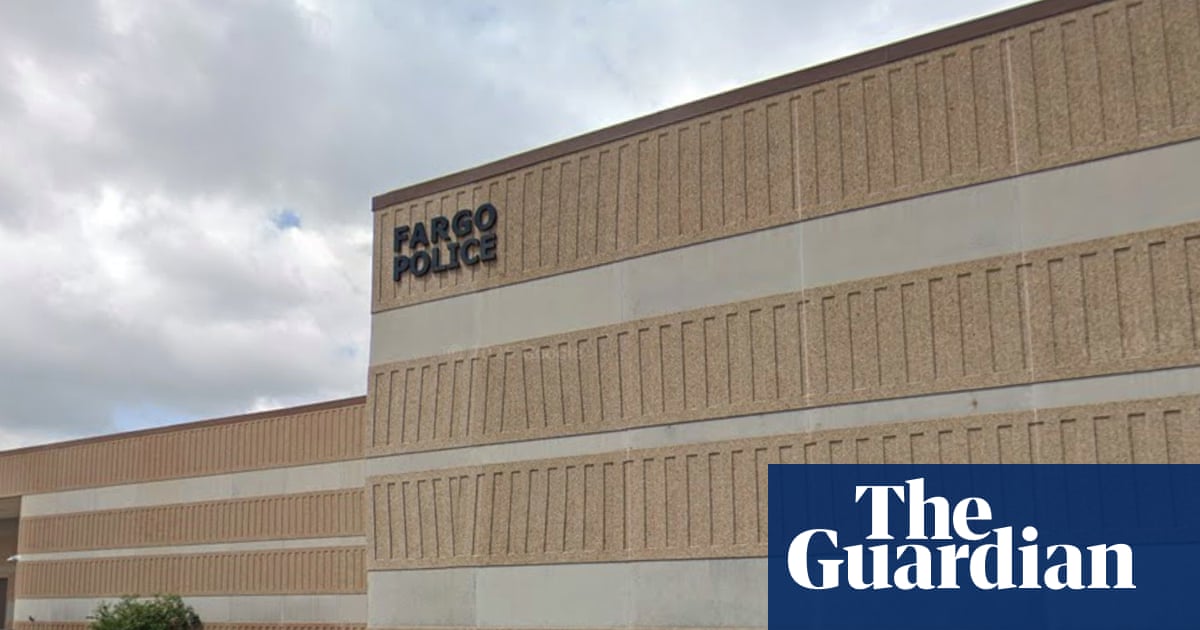
Tennessee Grandmother Jailed 6 Months After AI Facial Recognition Error
Key Facts
- What: Fargo Police used facial recognition software to wrongly identify 50-year-old Angela Lipps as the suspect in an organized bank fraud case based on surveillance video.
- Duration: Lipps spent nearly six months in jail — nearly four months in Tennessee without bail and additional time in North Dakota.
- Exoneration: Released on Christmas Eve 2025 after her attorney presented bank records proving she was 1,200 miles away in Tennessee during the crimes.
- Consequences: Lost her home, car, and dog while incarcerated; Fargo police provided no apology or assistance returning home.
- Broader Pattern: Latest in a series of documented AI facial recognition failures leading to wrongful arrests in the US and UK.
Lead paragraph
A Tennessee grandmother was imprisoned for nearly six months after Fargo police relied on flawed AI facial recognition software to link her to a North Dakota bank fraud scheme she had no connection to. Angela Lipps, 50, a mother of three and grandmother of five who had never visited North Dakota, was arrested at gunpoint in her Tennessee home in July 2025 while babysitting four children. The case highlights growing concerns about law enforcement's over-reliance on facial recognition technology without sufficient human verification.
The Arrest and Investigation
According to reports from InForum and WDAY News, Fargo police detectives were investigating bank fraud cases from April and May 2025. Surveillance footage showed a woman using a fake U.S. Army military ID to withdraw tens of thousands of dollars from banks. Officers turned to facial recognition software, which flagged Lipps as a match based on facial features, body type, and hairstyle, according to court documents obtained by WDAY News.
No one from the Fargo Police Department contacted Lipps prior to her arrest. In July 2025, U.S. marshals arrived at her Tennessee home and arrested her at gunpoint. She was charged with four counts of unauthorized use of personal identifying information and four counts of theft. Lipps remained in a Tennessee county jail for nearly four months — 108 days — without bail while awaiting extradition.
"I’ve never been to North Dakota, I don’t know anyone from North Dakota," Lipps told WDAY News. She had never flown on an airplane until authorities transported her to North Dakota at the end of October 2025.
Flawed Technology and Lack of Verification
Her attorney, Jay Greenwood, criticized the investigation in comments to InForum: “If the only thing you have is facial recognition, I might want to dig a little deeper.”
The case raises serious questions about the accuracy and deployment of facial recognition systems by police departments. Lipps was not the first person to suffer from such errors. The Guardian article notes this is "far from the first case of an AI error flagging the wrong suspect."
In October, an AI system in Baltimore reportedly mistook a high school student's bag of Doritos for a firearm, leading to an armed response by police. Earlier this year, UK authorities arrested a man for a burglary in a city he had never visited after automated facial recognition software confused him with another person of South Asian heritage. That case involved a £3,000 burglary 100 miles away.
These incidents demonstrate persistent issues with false positives in facial recognition technology, particularly when matching individuals across different demographics, geographies, or image qualities. Critics argue that police departments often treat AI matches as probable cause rather than a lead requiring traditional investigative work.
Exoneration and Devastating Personal Impact
Lipps was finally released on Christmas Eve 2025 after Greenwood obtained her bank records and presented them to investigators. The records confirmed she was more than 1,200 miles away in Tennessee at the exact times the fraud occurred in Fargo.
Despite her exoneration, Fargo police did not pay for her return trip home, leaving her stranded in North Dakota during the holiday season. Local defense attorneys helped cover a hotel room and food on Christmas Eve and Christmas Day. A local non-profit organization, the F5 Project, ultimately assisted with her transportation back to Tennessee.
The human cost has been severe. While jailed and unable to pay her bills, Lipps lost her home, her car, and her dog. She is now attempting to rebuild her life in north-central Tennessee, where she has lived most of her life.
Lipps told reporters that no one from the Fargo Police Department has apologized to her.
Industry Context and Ongoing Concerns
Facial recognition technology has been adopted by numerous law enforcement agencies across the United States despite documented accuracy problems, especially with women, people of color, and lower-quality surveillance footage. The technology's use in criminal investigations has sparked debate about civil liberties, due process, and the potential for algorithmic bias.
This case comes amid increasing scrutiny of AI systems in high-stakes applications like policing. While the specific software used by Fargo police has not been publicly named in reports, the incident adds to a growing list of documented failures.
In the UK case mentioned, automated facial recognition matched an innocent man to burglary footage with enough confidence to justify an arrest despite geographic impossibility. Similarly, Lipps' complete lack of connection to North Dakota — including never having visited the state — was apparently not considered a significant red flag by investigators.
Impact on Victims and Calls for Accountability
The story has resonated widely online, with social media users expressing outrage over both the AI error and the apparent lack of follow-up investigation by police.
"I hope she files a great big lawsuit and gets a large settlement that more than compensates her for the financial loss and the loss of time and emotional distress and gets her dog back," one Reddit commenter wrote, reflecting widespread public sentiment.
For Lipps, the impact extends beyond financial loss. As a grandmother who was babysitting children at the time of her arrest, the trauma of being taken at gunpoint has affected her family. The case illustrates how technological errors can devastate innocent people's lives in ways that are difficult to fully repair.
Legal experts suggest cases like this could lead to increased civil lawsuits against both technology vendors and law enforcement agencies that deploy them without adequate safeguards. The absence of any apology from Fargo police has further fueled criticism of the department's handling of the matter.
What's Next
Lipps is focused on rebuilding her life after the ordeal. Whether she will pursue legal action against the City of Fargo or the makers of the facial recognition software remains unclear.
The incident is likely to add momentum to legislative efforts to regulate the use of facial recognition by police. Several cities and states have already banned or restricted the technology due to accuracy and bias concerns.
For the AI industry, cases like this highlight the dangers of deploying systems in real-world law enforcement without proper human oversight, confidence thresholds, or multi-factor verification requirements. As facial recognition tools become more prevalent, the pressure is increasing on both vendors and users to implement stronger guardrails.
This case serves as a stark reminder that behind every AI error statistic is a human story — in this instance, a Tennessee grandmother who lost half a year of her life, her home, and her beloved dog because police apparently trusted an algorithm over basic investigative due diligence.
Sources
- The Guardian: Tennessee grandmother jailed after AI facial recognition error links her to fraud
- InForum: AI error jails innocent grandmother for months in Fargo fraud case
- WDAY News (referenced in Guardian and InForum reporting)
- Grand Forks Herald: AI error jails innocent grandmother for months in North Dakota fraud case
- Reddit discussion on r/fargo