
The short version
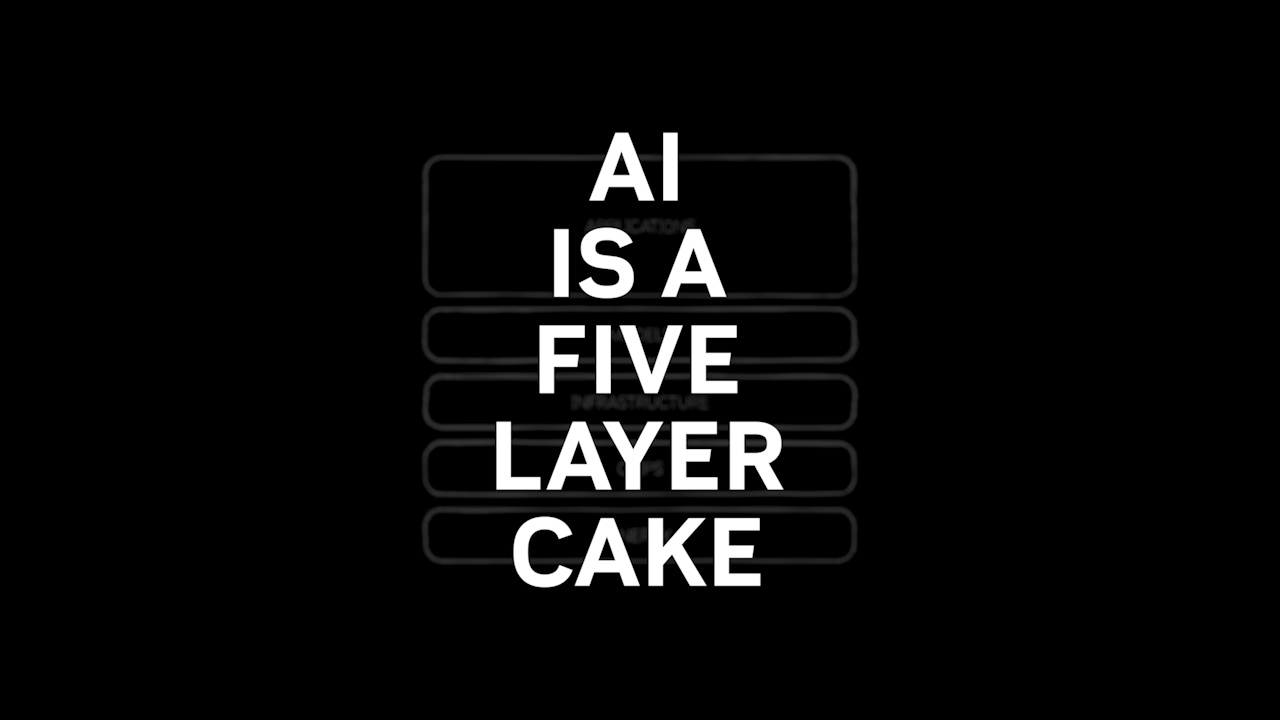
AI is like a five-layer cake, according to NVIDIA CEO Jensen Huang—a full stack of technologies built layer by layer, starting with energy at the bottom and ending with apps you use every day at the top. The layers are: 1) energy, 2) chips, 3) infrastructure like data centers, 4) AI models, and 5) applications. This way of thinking shows AI isn't just a smart phone feature; it's massive infrastructure like electricity that will power your future tools, jobs, and services—but it needs huge investments in power and hardware first.
What happened
Imagine you're baking a cake. You can't just slap icing on top and call it done; you need a solid base, sturdy layers, and everything working together. That's how NVIDIA's CEO Jensen Huang explained AI at the World Economic Forum in Davos. He wasn't talking about a single clever app like ChatGPT. Instead, he described AI as a "five-layer cake"—a complete system stacked from the ground up.
The bottom layer is energy. AI guzzles electricity like a city full of air conditioners on a hot day. Without massive power plants or new energy sources, the whole thing collapses.
Next is chips—the super-fast computer brains made by companies like NVIDIA. These are the engines that crunch the huge amounts of data AI needs.
Layer three is infrastructure, like giant cloud data centers full of those chips. Think of them as the factories where AI work happens non-stop.
Then comes model development, where the actual AI "brains" get trained—like teaching a super-smart student everything there is to know.
Finally, the top layer is applications—the apps and tools that bring AI to you, like smarter search on your phone or doctors using AI to spot diseases faster.
Huang shared this during a chat with BlackRock CEO Larry Fink, calling it the "largest infrastructure buildout in human history." NVIDIA, which dominates the chips layer, sees this as why AI is reshaping the world like the internet did.
Why should you care?
This cake analogy matters because it shows AI won't magically appear everywhere overnight. It's like building a new highway system: if the power lines (energy) or roads (infrastructure) aren't ready, your daily drive—er, AI tools—gets stuck in traffic. For you, this means AI could make your life easier with smarter assistants, cheaper healthcare, or personalized shopping, but only if those bottom layers get built fast enough. Delays in energy or chips could mean slower AI rollout, higher costs passed to you, or uneven access—city folks get the fancy cake frosting first, while rural areas wait.
Public confidence plays a role too. If people see AI as a helpful infrastructure like electricity (which powers your fridge and lights), we'll adopt it quicker for things like better traffic apps or job-matching tools. But if fears win out, regulations could slow it down, keeping AI out of your hands longer.
What changes for you
Right now, you might use basic AI like auto-complete in emails or photo editing on your phone—the top layer. But as the cake builds:
-
Smarter everyday tools: Expect apps that predict your needs better, like a fridge that orders groceries or a car that avoids accidents. This relies on those data centers humming with power.
-
Job shifts: AI could handle boring tasks (data entry, basic customer service), freeing you for creative work. But it needs chips and energy to scale, so your industry might change sooner if you're in tech-heavy fields like healthcare or retail.
-
Costs and access: Building this infrastructure means big bills—think higher electric rates if power plants lag. On the flip side, efficient AI could lower prices for services, like cheaper streaming or faster online shopping.
-
Speed of change: Countries racing to build the full cake (energy + chips + everything) will lead. The U.S. and others investing now could mean you get AI perks faster, while laggards fall behind.
No immediate app updates today, but watch for news on power plants or new data centers near you—they're the foundation making AI real in your pocket.
Frequently Asked Questions
### What are the five layers of the AI cake exactly?
The layers stack like this: 1) Energy (power to run everything), 2) Chips (fast computer parts), 3) Infrastructure (big data centers), 4) Model development (training the AI brains), and 5) Applications (the apps you use). Each depends on the ones below, so weak energy means the whole cake flops.
### Why does NVIDIA care about this cake metaphor?
NVIDIA makes the chips in layer two, so they're perfectly positioned as the cake bakes. CEO Jensen Huang used this at Davos to explain why AI needs massive builds in power and hardware—areas where NVIDIA thrives—helping investors and leaders see the full picture beyond just flashy apps.
### Will this make my phone or apps change right away?
Not immediately, but yes over time. The bottom layers (energy and chips) are scaling now, which will let app makers build cooler AI features like real-time translation or health tips. If infrastructure booms, your apps get smarter and faster within a couple years.
### Does this mean AI will use more of my electricity bill?
Potentially yes—AI data centers need city-sized power. Your home bill might tick up a bit if utilities expand grids, but efficient AI could save money elsewhere, like optimizing your home energy use or cutting waste in stores you shop at.
### Is the US winning the AI cake race?
It's a global race, but places investing in all layers (like the US with NVIDIA's chips and new power projects) have an edge. This affects you through faster AI tools at work or home versus slower adoption if regulations or energy shortages hit.
The bottom line
Jensen Huang's five-layer AI cake is a wake-up call: AI is coming to transform your daily life through better apps and services, but it hinges on building energy, chips, and data centers first—like laying pipes before turning on the faucet. For regular folks, this means exciting upgrades (smarter phones, easier jobs) if the buildout succeeds, but possible delays or costs if it stumbles. Keep an eye on energy news—it's the base that decides how quickly this powerhouse infrastructure reaches you. Embrace it like the internet: it powers progress, and understanding the layers helps you ride the wave.
Sources
- NVIDIA Blog: ‘Largest Infrastructure Buildout in Human History’: Jensen Huang on AI’s ‘Five-Layer Cake’ at Davos
- NVIDIA Blogs: AI Is a 5-Layer Cake
- Forbes: Davos 2026: Jensen Huang On The Five Layer AI Cake
- Business Chief: Why Jensen Huang’s AI Strategy is Built as a Five-Layer Cake
- SemiVision on X: NVIDIA CEO Jensen Huang describes AI as a “five-layer cake”