
NVIDIA CEO Jensen Huang Frames AI as a 'Five-Layer Cake' Infrastructure Stack
Key Facts
- NVIDIA CEO Jensen Huang described AI as a "five-layer cake" during a discussion at the World Economic Forum in Davos with BlackRock CEO Larry Fink.
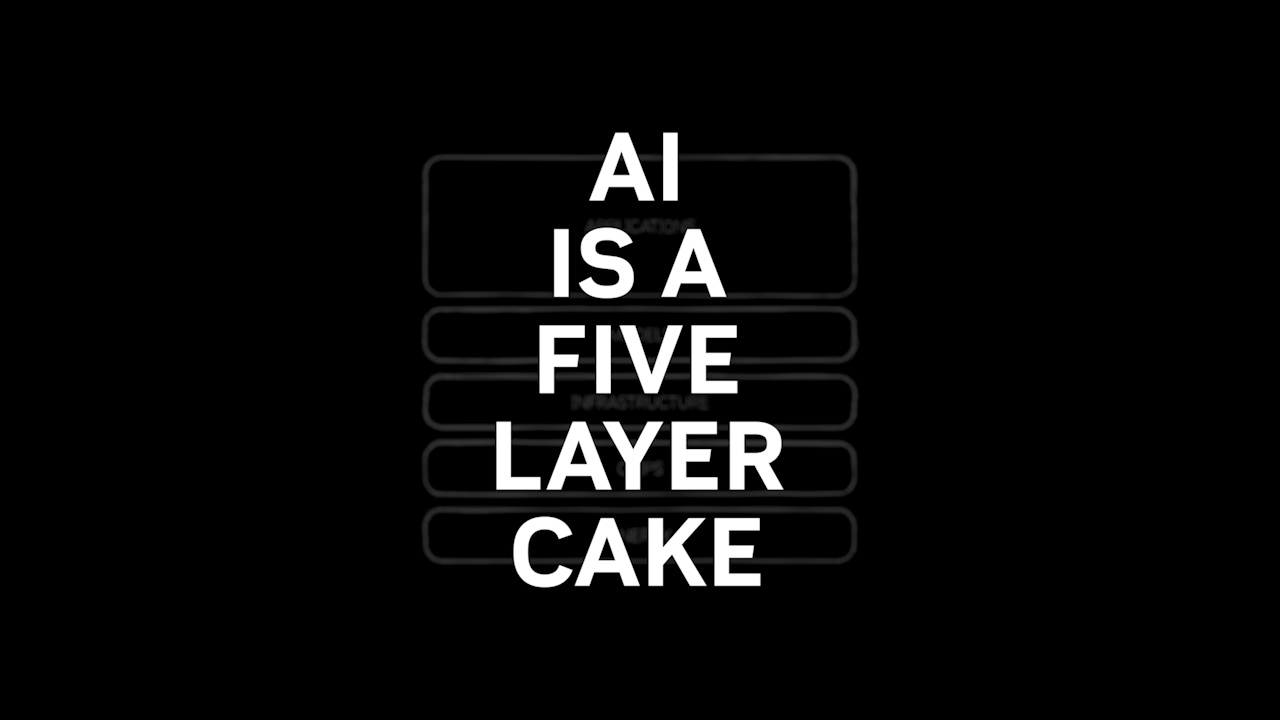
- The five layers are: 1) Energy, 2) Chips and computing infrastructure, 3) Cloud data centers/infrastructure, 4) Model development, and 5) Applications.
- Huang positioned AI not as a single model or clever app but as essential infrastructure comparable to electricity and the internet.
- The framework underscores that AI competitiveness depends on mastering the entire technology stack rather than models alone.
- NVIDIA plays a central role in the chips and computing infrastructure layer.
Lead paragraph
NVIDIA CEO Jensen Huang has outlined a comprehensive five-layer framework for understanding artificial intelligence, describing it as a "five-layer cake" that represents the full technology stack required to power the AI revolution. Speaking at the World Economic Forum in Davos with BlackRock CEO Larry Fink, Huang emphasized that AI is not a standalone application or individual model but essential infrastructure akin to electricity and the internet. This layered approach highlights the massive scale of investment and coordination needed across energy, hardware, systems, models, and applications to realize AI's full potential.
Body
In the conversation, Huang detailed the five distinct layers that together form the foundation of modern AI systems. At the base is energy — the fundamental power required to fuel the enormous computational demands of training and running advanced AI models. Above that sits the chips and computing infrastructure layer, where NVIDIA holds a dominant position with its GPUs that have become the de facto standard for AI acceleration.
The third layer encompasses cloud data centers and broader infrastructure, involving the massive buildout of facilities equipped with thousands of interconnected AI-optimized systems. This is followed by the model development layer, where researchers and companies create and refine the large language models and other AI systems that power intelligent applications. At the top rests the applications layer, where AI capabilities are ultimately delivered to users through tools, services, and products that solve real-world problems.
According to NVIDIA's official blog post summarizing the discussion, Huang framed AI as "a five-layer cake, spanning energy, chips and computing infrastructure, cloud data centers, AI models and, ultimately, the application layer." This perspective comes as the industry witnesses what Huang has called the "largest infrastructure buildout in human history," reflecting the unprecedented scale of investment flowing into AI across all layers of the stack.
The "five-layer cake" concept serves as both a strategic framework and a competitive lens. As noted in coverage by Forbes and other outlets, Huang's remarks at Davos 2026 underscore that success in AI will not be determined solely by who builds the most advanced models. Instead, leadership across multiple layers — particularly in energy efficiency, chip design, and systems integration — will prove decisive. NVIDIA's central role in the chips layer positions the company favorably, but the framework also acknowledges the importance of players specializing in energy, data center operations, model research, and vertical applications.
Huang's comments arrive amid ongoing debates about whether the AI boom represents sustainable growth or an emerging bubble. In the same discussion, he addressed these concerns while maintaining optimism about AI's transformative potential. The layered approach provides a structured way to evaluate progress and investment opportunities across the ecosystem, moving beyond headline-grabbing model releases to examine the underlying infrastructure requirements.
Impact
For developers and technology companies, Huang's framework offers a clearer roadmap for understanding where value is created and where competitive advantages can be built. Rather than focusing exclusively on model architecture improvements, organizations must consider their position across the entire stack. Hardware manufacturers, cloud providers, energy companies, and application developers all play critical roles in enabling the AI future.
The infrastructure emphasis also carries significant implications for enterprise adoption. Companies evaluating AI investments now have a more complete picture of the dependencies involved — from securing reliable power sources to building or accessing appropriate computing infrastructure before they can effectively deploy advanced models. This holistic view may accelerate more strategic and sustainable AI initiatives rather than isolated experiments with the latest chatbot technology.
On a broader industry level, the "five-layer cake" narrative reinforces AI's status as foundational infrastructure. By comparing it to electricity and the internet, Huang elevates the conversation beyond technological novelty to societal transformation. This framing could influence everything from regulatory approaches to public perception and investment priorities as governments and organizations assess their AI strategies.
What's Next
The five-layer framework is likely to become a reference point for industry discussions as the AI buildout continues. Companies across all layers will increasingly position their offerings within this stack, highlighting how their technology enables progress at adjacent layers. Energy providers may emphasize efficiency gains for AI workloads, while chipmakers like NVIDIA will continue advancing specialized processors designed specifically for different parts of the model development and inference pipeline.
Looking ahead, the relative importance of each layer may shift as the technology matures. While chips currently represent a major bottleneck and area of NVIDIA's strength, breakthroughs in energy efficiency or new approaches to model development could rebalance the stack. Applications that can effectively leverage the full infrastructure below them will ultimately determine the commercial success of the entire ecosystem.
As AI continues its rapid expansion, Huang's structured perspective provides a valuable mental model for navigating the complexity of the technology's development. The "five-layer cake" serves as both a celebration of AI's infrastructure demands and a practical guide for those seeking to participate meaningfully in its growth.
Sources
- ‘Largest Infrastructure Buildout in Human History’: Jensen Huang on AI’s ‘Five-Layer Cake’ at Davos | NVIDIA Blog
- Davos 2026: Jensen Huang On The Five Layer AI Cake, The AI Bubble And Key AI Breakthroughs
- Why Jensen Huang’s AI Strategy is Built as a Five-Layer Cake | Business Chief
- Jensen Huang’s 5-Layer AI Stack: 5 Things to Win the AI Race