
The Short Version
Meta’s massive "2Africa" project, which aims to lay thousands of miles of undersea internet cables to connect Africa, Europe, and Asia, has been delayed due to the ongoing conflict in the Middle East. The company hired to lay these cables has stopped work in the Persian Gulf, citing safety concerns for their crews and ships. While this won't break your current internet connection today, it means that efforts to bring faster, more reliable web speeds to parts of the world are currently on hold.
What happened?
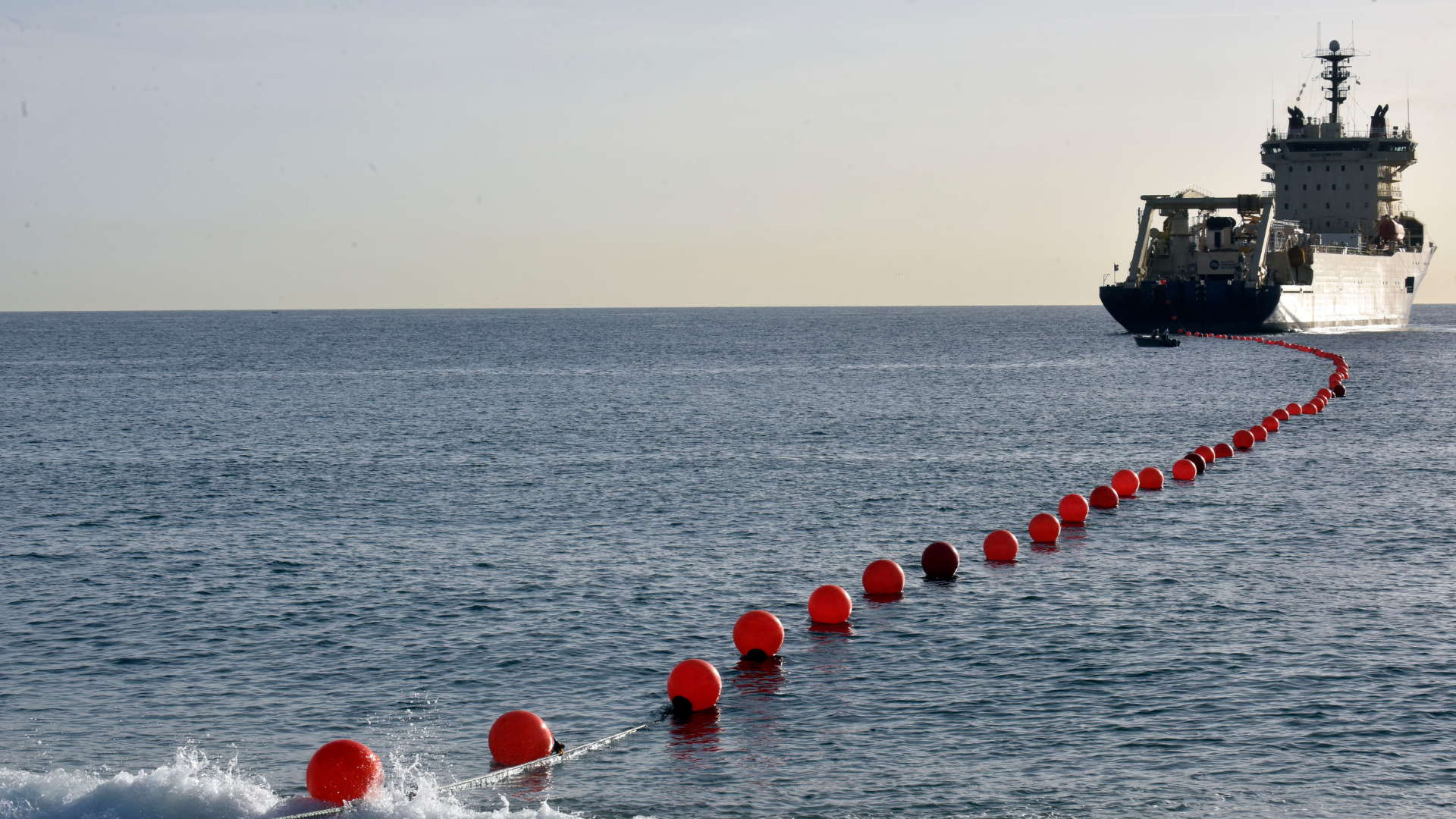
Imagine the internet as a global highway system. Most of our international data—emails, video calls, and websites—doesn’t travel through the sky; it travels through massive fiber-optic cables lying on the floor of the ocean.
Meta has been building a project called "2Africa," a huge network designed to boost connectivity across continents. A specific piece of this project, called the "Pearls" section, was meant to link countries in the Persian Gulf (like Saudi Arabia, Iraq, and Kuwait) to the rest of the world.
Recently, the company responsible for physically laying these cables, Alcatel Submarine Networks, declared "force majeure." In plain English, this is a legal way of saying, "An unpredictable and uncontrollable event—in this case, the military conflict in the region—has made it impossible for us to do our job safely." Because it is too dangerous for ships to operate in the Persian Gulf right now, the work has been paused indefinitely.
Why should you care?
You might be wondering: "I don't live in the Middle East, so why does this matter to me?"
On a personal level, your home internet isn’t going to shut down tomorrow. However, these cables are the "backbone" of the global internet. When these projects are delayed, it keeps the global internet network smaller and more crowded than it needs to be.
If you have family or friends in the regions waiting for this upgrade, they might continue to experience slower or less reliable connections. Furthermore, as the world becomes more dependent on digital communication, having multiple, secure routes for data to travel is vital. When conflict cuts off these routes, it puts extra pressure on the remaining cables, which can lead to slowdowns or higher costs for companies providing internet services, which sometimes trickles down to the consumer.
What changes for you?
- No immediate outages: You won't wake up tomorrow to a "disconnected" status on your devices because of this specific delay.
- Slower progress: If you were hoping for a major boost in internet speed or better web accessibility in the affected regions, those upgrades are now on hold.
- Increased risk awareness: This news highlights how fragile our "digital highway" actually is. When geopolitical tensions rise, our ability to connect online can be physically blocked.
Frequently Asked Questions
Is the internet going to go down because of this?
No. This delay affects the expansion and upgrade of the internet infrastructure in the Middle East, not the existing systems that keep the world online today. You can continue browsing as usual.
Why can’t they just use satellites instead?
While satellites are great, undersea cables are still the "workhorses" of the internet. They can carry significantly more data at much higher speeds than satellite technology currently allows. They remain the most cost-effective and efficient way to connect entire continents.
When will this project be finished?
It is not yet confirmed. Because the delay is tied to the unpredictable nature of the conflict in the Middle East, there is no set date for when the work will resume or be completed.
Does this impact other parts of the world?
While this delay is specific to the Persian Gulf, the broader project is massive. Meta is also looking into other routes and future projects, such as "Project Waterworth," to build cables that avoid these dangerous "hotspots" entirely, though that is still years away.
The bottom line
The internet relies on physical cables buried in the ocean, and when those regions become war zones, building and maintaining that infrastructure becomes impossible. While you likely won’t notice a difference in your day-to-day web browsing, this delay is a stark reminder that the "cloud" is actually a very physical system that is vulnerable to the same real-world conflicts that affect everything else.