
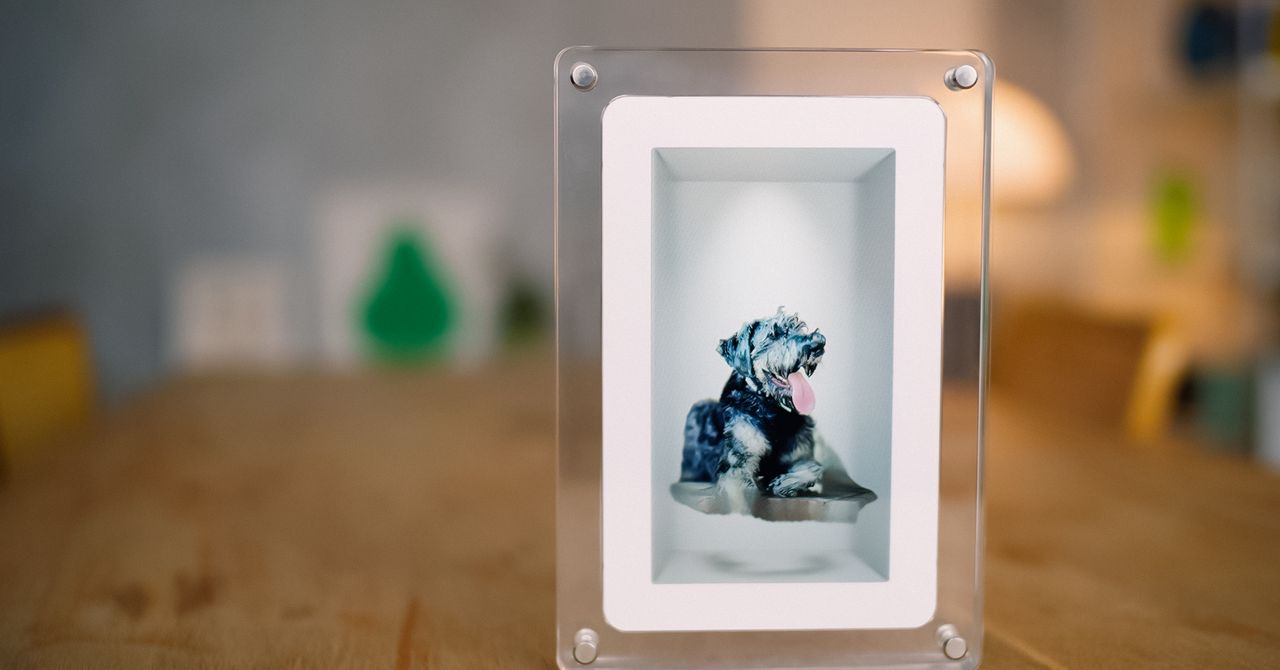
The short version
The Musubi is a new AI-powered digital picture frame from Brooklyn-based company Looking Glass that turns your flat photos and videos into eye-popping 3D holograms you can view from multiple angles without glasses. After nearly a decade of work on 3D screens, they're finally launching this device to make holographic displays feel like a natural part of home life. For you, it means reliving family moments in a fun, immersive way that feels more real and pulls people together.
What happened
Imagine your old-school photo frame on the mantel, but instead of a flat picture, your vacation snapshots pop out like a mini movie scene you can walk around and peek into from the side. That's the magic of Looking Glass's new Musubi frame. This Brooklyn company has spent almost 10 years tinkering with special 3D screens, and now they're rolling out Musubi—an everyday picture frame supercharged with AI to create holograms from your regular photos and videos.
Holograms here aren't sci-fi tricks like Princess Leia's floating message in Star Wars. Think of it like a snow globe for your memories: the AI looks at your 2D image, figures out depth and movement (like adding invisible layers to make a person "step forward" or a wave "crash"), and displays it on a screen that shows different views depending on where you stand. No need for goofy glasses or headsets—anyone in the room sees the 3D effect naturally. It's designed for your living room, not a museum, making that holographic future feel close enough to touch.
Why should you care?
In a world of endless scrolling on flat phone screens, Musubi flips the script by making digital memories feel warm and shared, like gathering around a campfire story instead of staring at individual devices. For regular folks, this matters because it could change how we connect with loved ones—grandparents "visiting" via holographic videos, or wedding clips that make guests feel like they're back at the party. As AI gets better at turning simple pics into 3D wonders, it hints at bigger shifts: smarter home gadgets that understand your life, pulling families off screens and into real shared experiences. Plus, with companies like Looking Glass pushing this tech, everyday items might soon cost less and do more, saving you from boring frames collecting dust.
What changes for you
Right now, Musubi isn't in stores yet—it's "launching," so expect it soon via Looking Glass's site or select retailers, likely priced like a high-end tablet (think $300–$600, though details are pending). Plug it in, upload photos from your phone via app, and AI does the rest—no tech skills needed. Your family videos of kids playing or holiday dinners gain depth, making them conversation starters at gatherings. Apps might let you add effects, like making a pet "jump out" playfully.
Over time, this could ripple out: cheaper versions in phones or TVs, or AI turning any photo app into a hologram maker. No more "wish you were here" texts—send a holographic clip that feels like they're in the room. For remote workers or long-distance families, it's a step toward feeling less lonely. And as holographic tech spreads (like the spatial photo frames or AI holoboxes from similar companies in the works), your home setup gets futuristic without the hassle, potentially making video calls or digital art more engaging and less "zoomed-in face" fatigue.
Frequently Asked Questions
### What makes Musubi different from a regular digital picture frame?
Regular frames just cycle through flat photos like a slideshow on your fridge magnet display. Musubi uses AI to add 3D depth, so images pop out holographically—viewers see different angles by moving around it, like peering into a window to a real scene. It's like upgrading from a postcard to a tiny theater.
### Do I need special glasses or equipment to see the holograms?
Nope—Musubi works naked-eye for anyone nearby. The screen creates the 3D illusion through clever light tricks, visible from multiple spots in the room. It's hassle-free sharing, perfect for kitchens or living rooms.
### When can I buy Musubi and how much will it cost?
Looking Glass is "finally launching" it after years of development, but exact dates and prices aren't confirmed yet—check their site for updates. Expect it soon, probably online first, with a premium but accessible price like other smart frames.
### Can it handle videos, and is it easy for non-techies?
Yes, it brings both photos and videos to holographic life—AI adds smooth motion and depth automatically. Setup is simple: connect to Wi-Fi, link your phone's photo library via app, and it auto-generates 3D versions. No editing skills required.
### Is this just a gimmick, or will it get bigger?
It's a real step toward everyday holograms—Looking Glass has built 3D tech for nearly a decade, and similar AI hologram tools are popping up for homes and events. For you, it means fun now and potentially smarter displays in TVs or phones later, making digital stuff feel more human.
The bottom line
Looking Glass's Musubi is your ticket to a holographic home without the Star Trek complexity—AI turns everyday photos into shareable 3D gems that bring people closer, literally and emotionally. If you're tired of flat screens isolating everyone, this frame could spark real conversations and make memories pop. Keep an eye on Looking Glass for launch details; it's a glimpse of how AI will make tech feel magical and personal, not distant. Grab one for the holidays, and watch your family light up.