
The short version
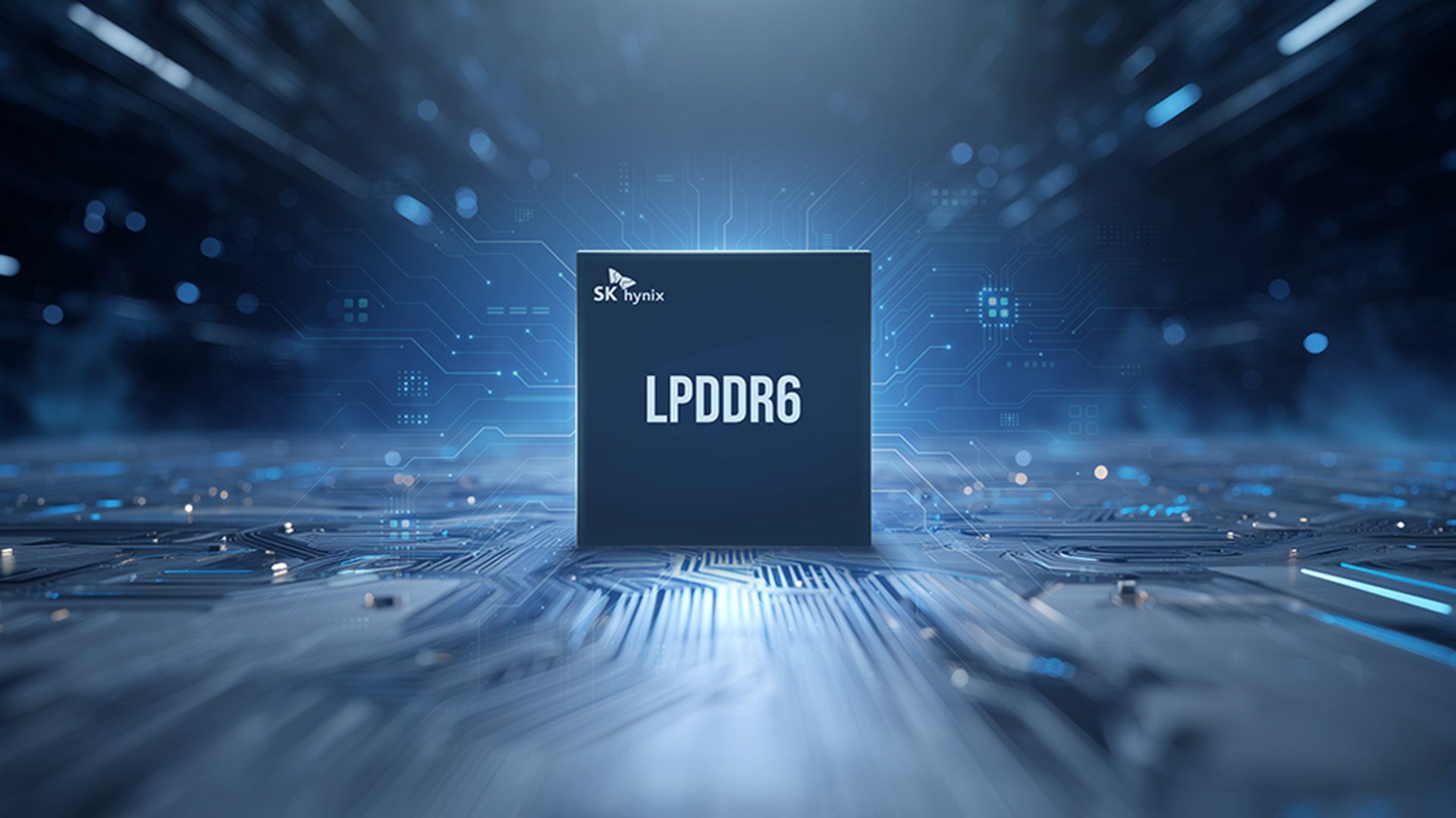
LPDDR6 is a new type of super-fast, energy-saving computer memory chip developed by SK hynix that's 33% quicker and 20% more power-efficient than the previous version (LPDDR5X). These 16Gb chips run at over 10.7 Gbps speeds using advanced 10nm manufacturing tech, making them ideal for smartphones, tablets, and AI servers. For you, this means snappier phones that last longer on a charge and smarter AI features running right on your device without draining the battery.
What happened
Imagine your phone's brain is like a busy kitchen where the chef (the processor) grabs ingredients (data) from the pantry (memory) to whip up apps, photos, or AI tricks like editing selfies. Older memory, called LPDDR5X, was decent but sometimes slow or power-hungry, like a fridge that hums loudly and takes forever to find stuff.
SK hynix, a big South Korean company that makes these memory chips, just unveiled their first LPDDR6 version. It's built on a super-precise 10nm "node" process—like shrinking the kitchen tools to fit more in less space—delivering 16Gb per chip at blazing 10.7 Gbps speeds. That's 33% faster overall, so data zips around like a high-speed conveyor belt instead of a lazy treadmill.
They also added smart tricks: a "sub-channel structure" that only powers the paths being used (no wasting energy on empty shelves) and DVFS tech, which dials down speed and voltage when things are chill, like dimming lights in an unused room. Result? 20% less power use. This came eight months after industry standards were set, and while Samsung beat them to the punch, SK hynix is ramping up for real-world use.
It's not just hype—Nvidia's fancy AI superchips in data centers already crave this stuff via special modules, and future ones will too. Speeds could climb way higher, up to 14,400 MT/s down the line.
Why should you care?
This isn't some lab experiment; it's the fuel for the AI explosion hitting your pocket. Faster, thriftier memory means your next phone or tablet can handle heavy AI tasks—like real-time photo editing, voice assistants that actually understand you, or even on-device ChatGPT-style helpers—without lagging or dying mid-day.
Think about it: AI data centers are gobbling up memory like candy, powering the cloud services you use for Netflix recommendations or Google searches. Better chips here keep those systems humming efficiently, which could mean cheaper cloud AI tools for everyone. For battery life obsessives, 20% less power sip means scrolling TikTok or gaming on your phone lasts noticeably longer—no more frantic charger hunts.
Everyday wins? Smoother multitasking (apps switching instantly), quicker app launches, and AI smarts that feel magical instead of sluggish. No more "phone too hot, slow down" warnings during video calls.
What changes for you
- Your next phone or tablet: Expect LPDDR6 in flagships soon—faster cameras, AI photo boosts, and all-day battery from brands like Samsung or Apple. If you upgrade in 2026, it'll feel zippy.
- Gaming handhelds and laptops: Devices like Steam Deck successors could borrow this for portable power, though AI servers are the main target first.
- AI on your device: No cloud needed for fancy features—your phone's AI will process photos or translate languages locally, keeping data private and speedy.
- Bills and costs: Efficient chips might keep device prices steady (no premium for "AI-ready" memory) and cut data center energy costs, potentially lowering subscription fees for AI apps.
- No immediate change: Your current gadgets stay the same—this rolls out in new devices over the next year or two.
In short, your tech gets smarter, faster, and greener without you lifting a finger.
Frequently Asked Questions
### What is LPDDR6 and how is it different from older memory?
LPDDR6 is low-power DRAM memory designed for mobile devices like phones and tablets—think of it as the efficient backstage crew handling data for apps and AI. It's 33% faster (over 10.7 Gbps) and 20% more efficient than LPDDR5X thanks to smarter power management, like only lighting up busy areas and slowing down when idle. This makes it perfect for battery-powered gadgets crunching AI tasks.
### Will my current phone get LPDDR6?
No, it's hardware inside the chip, so only new devices launching soon (like 2026 models) will have it. Your existing phone keeps its older memory, but software updates might squeeze out small gains. If battery or speed bugs you, upgrading to a future flagship is the way to feel the difference.
### How does this help with AI on my phone?
AI needs tons of quick data access—LPDDR6 delivers that locally, so features like auto-editing videos or smart replies run smoothly without phoning home to the cloud. It saves battery and keeps things private, meaning cooler phones and faster responses in apps like Google Photos or Siri.
### Is LPDDR6 only for phones, or will it come to PCs and laptops?
Primarily for smartphones, tablets, and AI servers right now, but it could trickle to handheld gaming PCs. Desktop/laptop RAM uses different tech (like DDR5), so don't expect it in your home PC soon—but AI laptops might benefit indirectly via efficient data centers.
### When can I buy devices with LPDDR6, and will they cost more?
SK hynix says it's ready for smartphones and tablets now, so expect it in premium models by mid-2026. Prices might not jump much since it's more efficient to make—no confirmed hikes yet. Watch CES 2026 for showcases from Samsung and others.
The bottom line
SK hynix's LPDDR6 is a game-changer for mobile AI, packing more speed and efficiency into tiny chips that power your daily tech. You won't notice it today, but in your next phone, it'll mean buttery-smooth performance, longer battery life, and AI magic happening right in your pocket—without the heat or hassle. Keep an eye on new device launches; this is how your gadgets evolve from good to great, making AI feel effortless and personal.
(Word count: 812)