
The short version
A potential long war between the U.S., Israel, and Iran could disrupt supplies of materials needed to make computer chips and drive up energy costs, leading to shortages and higher prices for these chips. This threatens the fast growth of AI data centers that power tools like ChatGPT and image generators, as companies might cut back on buying chips. For you, this means everyday AI features in apps, phones, and services could slow down, cost more, or arrive later than promised.
What happened
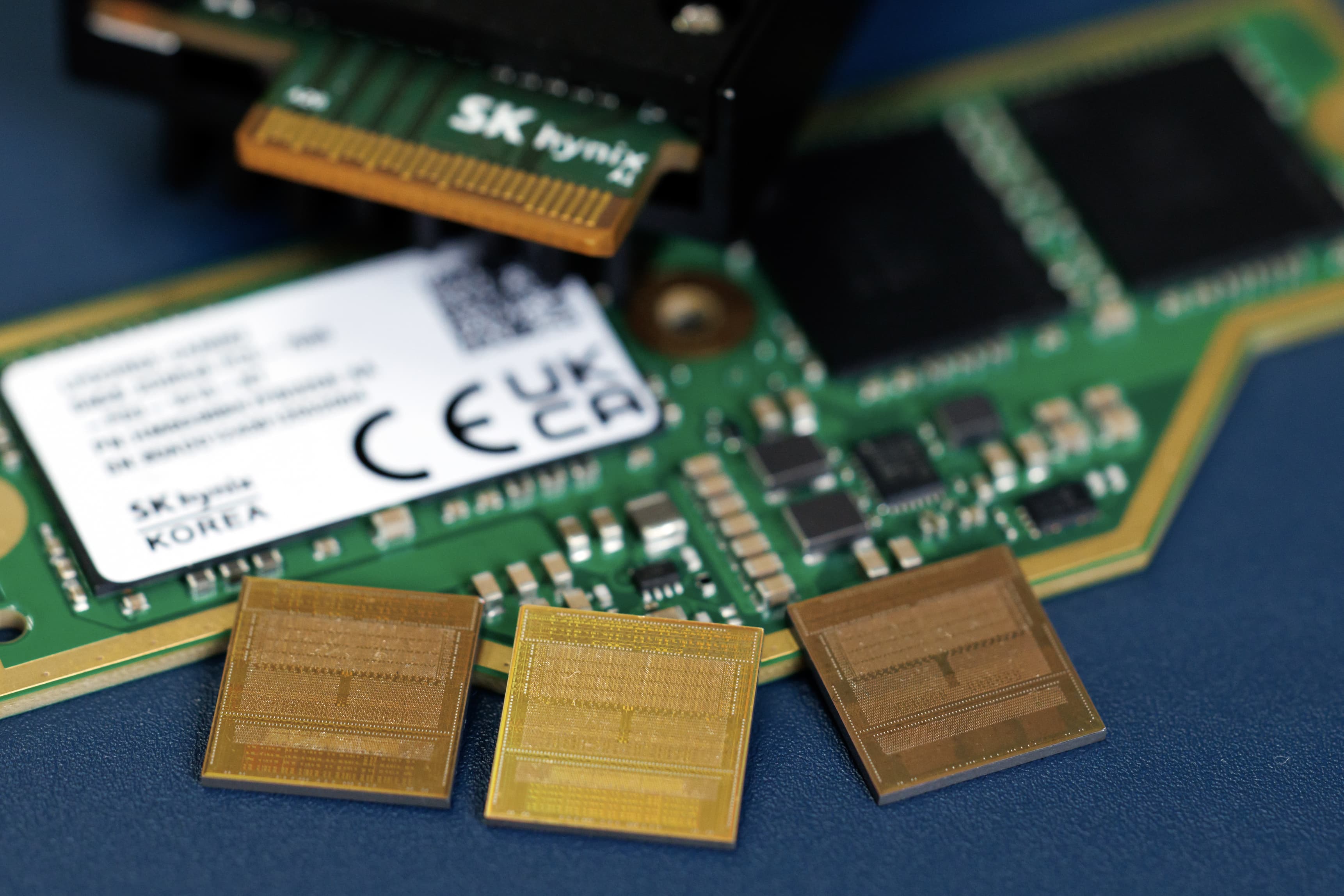
Imagine computer chips as the tiny brains inside everything from your smartphone to the massive server farms running AI. These chips are made using special materials like chemicals and gases shipped from places affected by the Middle East conflict, including Iran. A drawn-out war could block those shipments, creating shortages—think of it like a major highway closure halting truck deliveries to grocery stores.
On top of that, wars in oil-rich regions often spike energy prices worldwide, like what happened during past Middle East tensions when gas prices jumped at pumps everywhere. Chip factories guzzle electricity, kind of like running a huge city of ovens non-stop. South Korean industry experts, who make a ton of the world's memory chips (the type used to store data in AI systems), warned that higher energy bills would make production more expensive. One executive even told CNBC that if chip prices rise while energy costs climb, big tech companies running AI data centers might slam the brakes on new purchases, slowing the whole chip boom.
This isn't happening yet—it's a warning based on current tensions—but experts say a prolonged conflict could hit supplies and power costs hard, echoing supply chain messes from the pandemic or the Ukraine war.
Why should you care?
Chips aren't just for gadgets; they're the fuel for the AI explosion making our lives easier. AI needs huge data centers packed with chips to "think" fast—generating answers, creating art, or powering self-driving car brains. If chip shortages or price hikes hit, those data centers grow slower. Your ChatGPT responses might take longer, AI photo editors could glitch more, or new features in apps like Google or Apple Intelligence get delayed.
Energy prices affect everyone: higher costs for chipmakers could mean pricier phones, laptops, and even cars. And since AI data centers are sucking up more electricity (already straining power grids), this could push your home energy bills up too. It's like the war creating a domino effect—geopolitics far away ripples to your pocket and daily tech.
What changes for you
- Slower AI in apps: Tools you use daily, like voice assistants or recommendation engines on Netflix/YouTube, rely on fresh chips. Delays mean less smart, slower AI—imagine waiting extra seconds for every search or edit.
- Higher prices for tech: New phones, laptops, or EVs might cost 10-20% more if chip prices rise, based on past shortages. Budget for that next upgrade.
- Delayed innovations: AI promises like better virtual tutors for kids or personalized health apps could stall. Data center expansions for AI might shrink, hitting services first—not your hardware, but the cloud brains behind it.
- Everyday energy squeeze: More expensive power for factories means potential bill hikes for you, especially if data centers compete for electricity in your area.
- No immediate panic: This is a risk, not a done deal. Monitor gas prices and tech news—if they spike, chip woes might follow.
In short, your tech life gets choppier: AI feels less magical, stuff costs more, and the "AI everywhere" future slows from warp speed to a crawl.
Frequently Asked Questions
### Will this make my phone or laptop more expensive right away?
Not immediately, but yes, it could within months if the war drags on. Chip prices drive up costs for new devices—past shortages added hundreds to prices. Keep an eye on back-to-school or holiday sales; delays might mean sticking with your current gear longer.
### How does a war in Iran affect AI like ChatGPT?
AI runs on data centers full of chips, which need rare materials and cheap energy. Disruptions mean fewer new chips, so companies like OpenAI might expand slower, leading to crowded servers and sluggish performance during peak times, like evenings when everyone's chatting with AI.
### Are energy prices going up because of data centers already?
Yes, even without war, AI's power hunger is pushing electricity costs higher—data centers could use as much power as small countries soon. A conflict adds fuel to that fire, potentially raising your utility bills by competing for energy and delaying cheaper green power builds.
### Can companies just make chips somewhere else?
Not easily—key materials come from the Middle East, and top factories are in places like South Korea and Taiwan, still hit by global energy spikes. It's like trying to bake bread without flour; rerouting takes time and money, slowing everything.
### Is this just hype, or should I worry?
It's a real risk rated high by industry insiders (7/10 importance), based on supply chain history. No shortages yet, but if oil prices jump 20-30% (as in past wars), expect ripples. Stay informed via news apps to plan big tech buys.
The bottom line
A U.S.-Israel conflict with Iran risks choking off chip materials and jacking up energy costs, which could cool the red-hot demand for semiconductors and slow AI's rocket ride. For regular folks, this translates to pricier gadgets, pokier AI helpers, and maybe higher power bills—turning "AI will change everything overnight" into "maybe next year." The key takeaway? Geopolitical storms abroad can rain on your tech parade, so diversify your expectations: cherish your current devices, watch energy prices, and remember AI's magic depends on stable supply chains as much as clever code. If tensions ease, we dodge this bullet; if not, brace for a bumpier digital road ahead.
(Word count: 842)
Sources
- CNBC: How the Iran war and rising energy prices are threatening semiconductor demand
- WIRED Middle East: US-Israel War On Iran Puts Global Chip Supply and AI Expansion at Risk
- Finance & Commerce: Iran war may disrupt supply of semiconductor materials
- WIRED: The War on Iran Puts Global Chip Supplies and AI Expansion at Risk
- POLITICO: Trump wants to ease voters’ worries on data center costs. Iran may get in his way.