
The short version
Huawei's "industrial intelligence" is a set of AI tools and partnerships the company unveiled at MWC Barcelona 2026 to help factories, hospitals, and other big businesses shift AI from small tests to everyday operations. They're releasing the industry's first AI-Native framework for smart operations, along with 115 real-world showcases and 22 new solutions created with global partners. For everyday people, this could mean smoother supply chains, better medical care, and more reliable products—at potentially lower costs down the line.
What happened
Imagine AI right now in big companies is like a kid learning to ride a bike with training wheels—lots of small experiments (called "pilots") but not zooming down the street yet. At MWC Barcelona 2026, a huge tech show, Huawei held their Industrial Digital and Intelligent Transformation Summit to map out a "practical route" to fix that. They announced the first-ever AI-Native framework, which is basically a ready-to-use blueprint designed from the ground up for AI to run factories, networks, and services super efficiently.
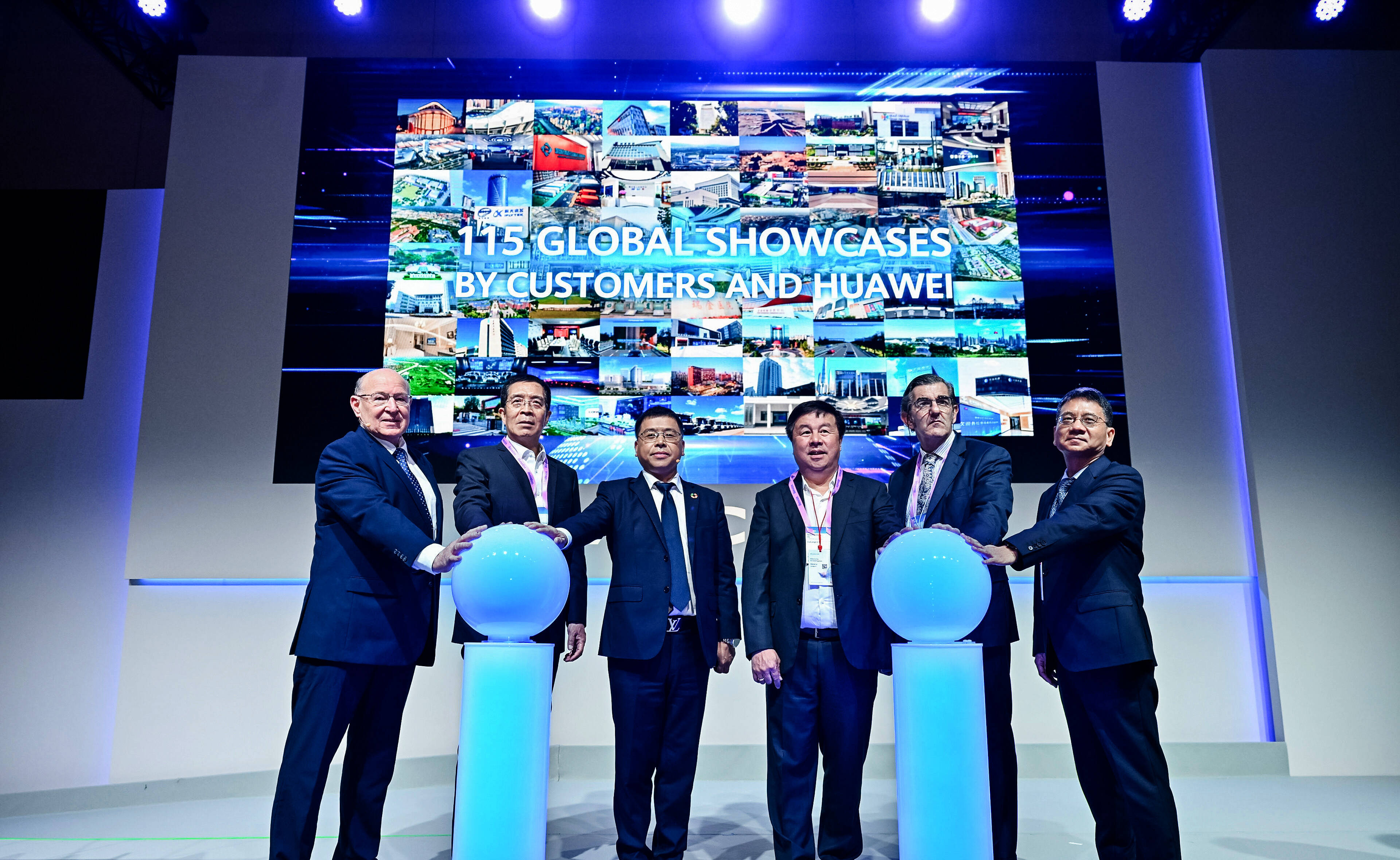
They didn't stop at talk. Huawei rolled out 115 "showcases"—real examples from customers worldwide showing AI in action, like smarter manufacturing or faster healthcare diagnostics. They also launched 22 new industrial intelligence solutions with partners, plus upgrades to their SHAPE 2.0 partner program to make collaboration easier. To help companies practice, they're offering hands-on programs, open-source communities on Huawei Cloud (like shared online toolkits), vertical industry groups, and training through ICT Academies. It's all about turning AI hype into actual production-line reality for industries.
This builds on Huawei's "All Intelligence" vision, with AI-centric network solutions to speed up "intelligent transformation" across sectors. Think of it as handing businesses a GPS for the AI highway, so they don't get stuck in traffic jams of trial-and-error.
Why should you care?
You might not work in a factory, but "industrial intelligence" touches your daily life more than you think. Factories using this could make cars, phones, or groceries faster and with fewer mistakes, which might lower prices or speed up deliveries. Hospitals could diagnose illnesses quicker with AI helpers, meaning shorter waits for you or your family. Even your internet or power grid could get smarter, reducing outages during storms.
Right now, many companies are dipping toes into AI but struggling to scale—like trying to bake one cookie then suddenly feeding a city. Huawei's route makes it practical, so industries adopt AI reliably. That means AI gets battle-tested in the real world, making it safer and more useful for consumer apps too. If it works, everyday stuff gets cheaper, faster, and better; if not, we might see more AI false starts wasting time and money.
What changes for you
For regular folks, changes won't hit overnight— this is aimed at businesses first. But here's the ripple effect:
-
Cheaper, better products: Factories with AI running full-scale (not just pilots) waste less material and time. Your next smartphone or car part could cost less or arrive quicker, thanks to those 115 showcases proving it works in real factories.
-
Improved services: In healthcare or logistics, AI-native operations mean fewer errors. Imagine fewer package delays from smarter warehouses or doctors spotting issues early with AI tools—directly benefiting your shopping or checkups.
-
More reliable basics: AI-centric networks could make your home internet stabler or power grids tougher against blackouts, as industries like energy adopt these solutions.
-
Job shifts, but new ones too: Factory workers might handle smarter machines, creating demand for AI-savvy roles. Programs like Huawei's ICT Academies could train people worldwide, including near you.
No app downloads needed yet—these are B2B tools. But as industries transform, consumer AI (like smarter assistants) gets smarter from the learnings. Watch for Huawei Cloud updates, as their communities could spawn free tools trickling down.
Frequently Asked Questions
### What is "industrial intelligence" in simple terms?
Industrial intelligence is Huawei's plan to make AI a core part of big-business operations, like running factories or hospitals automatically. It's moving from AI experiments to full-speed use with tools like their new AI-Native framework. For you, it means industries behind the products you buy get way more efficient.
### Is this free for regular people to use?
Not directly—this is for companies and partners through Huawei Cloud and solutions. But the open-source communities and showcases could lead to free tools or apps later. Everyday benefits come indirectly, like through better services from AI-upgraded businesses.
### How is Huawei's approach different from other AI companies?
Unlike general AI like ChatGPT for chatting, Huawei focuses on "industrial" AI for real-world ops, with 115 customer-proven examples and 22 partner solutions. Their AI-Native framework is built specifically for businesses, plus training programs to make adoption practical—not just hype.
### When will I notice changes in my daily life?
Soonest in 1-2 years as businesses roll out these 22 solutions. Supply chains might speed up first (fewer delays on Amazon orders), then healthcare or energy. It's not confirmed for consumers yet, but scalable AI means broader impacts over time.
### Does this only affect big factories, or smaller businesses too?
It starts with big industries via showcases, but Huawei's partner framework (SHAPE 2.0) and Cloud communities aim to help all sizes. Smaller ops could join vertical industry groups for affordable AI upgrades, trickling efficiency to local services you use.
The bottom line
Huawei's MWC 2026 announcements give businesses a clear roadmap to make AI work at scale in industries, from pilots to production with frameworks, showcases, and partner solutions. For you, the non-tech person, this isn't abstract—it's the behind-the-scenes upgrade that could make your groceries cheaper, doctors sharper, and internet tougher. Keep an eye on how industries adopt it; success here means AI delivers real value without the growing pains, ultimately making your world run smoother and smarter.